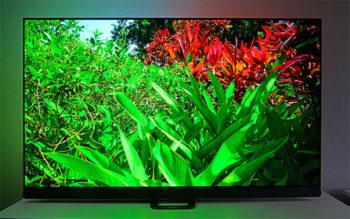
| Garantie LCD/Backlight (Jahre): | 2 / 2 |
| max. Pixelfehler (nach ISO 13406-2): | – |
| Panelgröße: | 32″ |
| Standardauflösung (Seitenverhältnis): | 1.920 x 1.080 (16:9) |
| Sichtbare Bildgröße/-diagonale [mm]: | 693 x 389 / 812 |
| Lautsprecher: | 2 x 10 Watt |
| Eingänge (jeweils ein Eingang, wenn nicht anders angegeben): | 4 x HDMI 1.3 (digital), 1 x D-Sub VGA (analog), 2 x SCART, 1 x Komponent, 1 x S-Video, 1 x Video, 3 x Audio L/R (Cinch) 1 x Audio 3,5 mm Stereo-Klinkenstecker, 1 x USB 2.0 Anschluss, 1 x CI-Kartenslot, 1 x Antenne/Kabel, Service-Anschluss (RS232C) |
| Ausgänge: | 1 x Kopfhörerausgang (3,5 mm Klinkenstecker), 1 x Audo-IN L/R (Cinch), 1 x Digial-Audio-OUT (optisch) |
| Fernbedienung / Batterien: | Ja / Ja |
| TV drehbar / neigbar: | Ja / Nein |
| Wandhalterung mitgeliefert / optional: | Nein / Ja |
| Zubehör: | Fernbedienung + Batterien, Netzkabel, Abdeckung, Reinigungstuch, Handbuch |
| Gerätemaße (B x H x T) [mm]: | 885 x 806 x 252 (mit Fuß) |
| Gewicht [kg]: | 13,8 |
| Prüfzeichen: | CE |
| Leistungsaufnahme On/Stand-by/Off [Watt]: | max. 200 / – / < 1 |
Einleitung
FullHD-fähige LCD-TVs, also Geräte mit einer nativen Auflösung von 1.920 x 1.080, gab es bis vor wenigen Monaten nur ab der 37-Zoll-Klasse aufwärts. Doch seit einiger Zeit sind jetzt die ersten 32-Zoll-Fernseher mit FullHD-Unterstützung im Elektronik-Fachhandel erhältlich.

Der LE-32A656A1F gehört zu den ersten dieser Geräte, die 1080p nativ unterstützen und das auch bei 24p-Zuspielung (24 Bilder in der Sekunde), weshalb wir uns dieses Gerät aus der A65-Serie herausgepickt haben. Weitere Modelle gibt es in den Größen 37, 40, 46 und 52 Zoll.
Seit Kurzem erhältlich ist auch ein LE-32A659A1F, der von den technischen Daten her absolut identisch mit dem LE-32A656A1F ist. Auf unsere Anfrage hin haben wir von Samsung die Antwort erhalten, das beide Modelle im Prinzip gleich sind und nur das Kontrastverhältnis des A659 etwas höher ausfällt.
Beide LCD-TVs sind in Deutschland verfügbar, allerdings ist der A659 rein für den deutschen Markt bestimmt und kann nicht über das Internet von ausländischen Händlern bezogen werden.
Anzumerken ist, dass die technischen Daten auf der Samsung-Homepage beim dynamischen Kontrast keinen Unterschied zwischen dem LE-32A656A1F und LE-32A659A1F aufzeigen und auch alle weiteren aufgelisteten Daten identisch sind.

Der Samsung LE-32A656A1F wurde von uns einem intensiven Test unterzogen, in dem der LCD-TV zeigen musste, was in ihm steckt – und was nicht. Folgende Zuspielgeräte wurden im Test eingesetzt: Ein PC, eine Sony PlayStation 3, ein Philips DVP5980 DVD-Player und ein Topfield TF500PVR DVB-S Twin-Receiver.


Lieferumfang
Der Lieferumfang des LE-32A656A1F umfasst den Fuß des TVs, vier Schrauben, eine Fernbedienung mit Batterien, ein Netzkabel, eine Kunststoffabdeckung, ein Reinigungstuch, ein Handbuch und die Garantiekarte. Signalkabel oder sonstiges Zubehör sind nicht im Lieferumfang enthalten.

Die gesamte Dokumentation liegt mehrsprachig vor, wobei unserem Testgerät kein Handbuch in deutscher Sprache beilag, sodass wir auf die englische Bedienungsanleitung zurückgreifen mussten. So etwas sollte im freien Handel nicht der Fall sein, da nicht jeder deutsche Käufer technische Ausdrücke auf Englisch versteht und dann vor einem Problem stünde.

Optik und Mechanik
Der Samsung LE-32A656A1F ist mit seinen 32 Zoll (81 cm) Bilddiagonale und einem Gewicht von 13,8 Kilogramm ein recht handliches Gerät, das man problemlos alleine aufstellen kann. Der Fernseher ist mit Fuß 80,6 cm breit, 58,5 cm hoch und 25,2 cm tief.

Die gesamte Vorder- und Rückseite inklusive des Fußes sind in schwarzer Klavierlackoptik gehalten. Die Vorderseite präsentiert sich je nach Lichteinstrahlung in einer mehr oder weniger intensiven Zwei-Farbton-Optik (Rubinschwarz), die von Samsung als „Crystal Design“ bezeichnet wird. Der Rahmen hat links und rechts eine Breite von 5,4 cm, oben sind es 5,8 cm und an der breitesten Stelle unten ist der Rahmen 7,9 cm breit.

Das Äußere des LE-32A656A1F vermittelt eine hochwertige Eleganz und sieht sehr schick aus. Der Nachteil von Hochglanzflächen ist deren Empfindlichkeit und so ist leider jeder Fingerabdruck und jedes Staubteilchen darauf sichtbar.
Das tägliche Abwischen von Frontseite und Fuß sollte also eingeplant werden, damit die edle Optik nichts von ihrer Eleganz einbüßt. Das dürfte wohl auch der Grund sein, warum dem Samsung dem LCD-TV gleich ein geeignetes Reinigungstuch beilegt!


Die Rückseite besteht aus einer einteiligen Kunststoffschale in Hochglanzoptik, allerdings ohne den Crystal-Design-Effekt der Front: Schick aber leider auch pflegeintensiv, wobei die Rückseite an den meisten Aufstellungsorten ohnehin nicht in Erscheinung tritt.


Der ovale Standfuß hat eine Größe von 50,5 x 25,2 cm und ist auf der Unterseite mit einer Metallplatte ausgestattet. Der große Fuß bringt 2,2 Kilogramm auf die Waage und ermöglicht dem LCD-TV eine ausgezeichnete Standsicherheit.


Die Verarbeitungsqualität des Samsung LE-32A656A1F ist insgesamt tadellos. Die Gehäuseteile passen sauber zusammen und der Fernseher macht einen hochwertigen und edlen Eindruck.



Ausgeschaltet gibt der LE-32A656A1F keinen Ton von sich. Im Betrieb reicht die Bandbreite, je nach Betriebsmodus, von geräuschlos bis zu einem leisen Brummen. Ab ca. 1,50 Metern Entfernung ist das Brummen kaum noch hörbar. Da ein Fernsehgerät allerdings selten ohne Ton betrieben wird, stufen wir die Geräuschentwicklung in der Praxis als unbedeutend ein.
Der maximale Stromverbrauch des LE-32A656A1F im Betrieb wird von Samsung mit 200 Watt angegeben. Ausgeschaltet soll der Verbrauch bei unter 1 Watt liegen. In der Praxis hängt die Leistungsaufnahme von den Einstellungen und dem Betriebsmodus ab.