In vielen Internet-Technik-Portalen, Blog’s oder auch in zahlreichen Forenbeiträgen stößt man in letzter Zeit immer öfter auf Artikel zum Thema Laser-TV; was wie eine futuristische Technologie aus einem Science-Fiction Roman anmutet, ist tatsächlich eine Neuentwicklung im Bereich Unterhaltungselektronik. Laser-TV-Geräte sollen für bessere Bildqualität sorgen, langlebiger, energiesparender, effizienter sein – die Liste der Präferenzen könnte man ruhig weiter fortsetzen.
Doch wie erklärt man leicht und verständlich die Funktionsweise eines Lasers, denn der Normalkonsument und nicht wissenschaftlich kundige Mensch kennt Lasertechnologie meistens nur aus STAR WARS Filmen und zwar in der Form eines Laserschwertes. Deshalb erklären wir zu erst einmal die Funktionsweise dieser neuer Technologie.
Funktionsweise
Wie bei einem Rückprojektionsfernseher wird auch das Bild eines Laser-Fernsehers ähnlich aufgebaut. Das Bild wird über einen internen Projektor in ein Spiegelsystem umgelenkt und von hinten auf den Bildschirm projiziert. Die einzelnen Lichtpunkte zum Mischen der unterschiedlichen Farbtöne werden direkt aus Laserstrahlen in den Farben Rot, Grün und Blau, erzeugt.
Der Halbleiterlaser erzeugt ein infrarotes Licht, welches jedoch für das menschliche Auge nicht wahrnehmbar ist. Durch den Einsatz bestimmter Kristalle, auf die der Laserstrahl gelenkt wird, ist es möglich, das infrarote Licht in ein, für den Menschen sichtbares Licht, umzuwandeln. Das erzeugte Licht ist rot, grün oder blau, den Farben aus denen sich letztendlich das Bild, welches wir als „Zuschauer“ sehen, zusammensetzt.
Hierbei macht man sich die besonderen physikalischen Eigenschaften der, meist aus Lithium und Niobat bestehenden, Kristalle zu nutze. Sie ermöglichen die Erzeugung nahezu aller Farben, im Bereich des für den Menschen sichtbaren Farbspektrums des Lichts. Je nach Wellenlänge und Frequenz des erzeugten Lichtstrahls können so selbst feinste Farbnuancen dargestellt werden, was mit den herkömmlichen Plasma- oder LCD-Geräten noch nicht möglich ist.

Die Halbleiter-Chips besitzen mehrere Laserdioden, so dass die einzelnen Bauteile relativ kompakt gehalten werden können. Die Firma Novalux Inc. kann laut eigenen Angaben bereits während des Fertigungsprozesses schon vor dem Zerteilen des Wafers, die Halbleiter-Chips mit den darauf befindlichen Dioden auf ihre Funktion überprüfen und somit die Ausfallrate, aber auch die Produktionskosten minimieren, was sich im Endeffekt auch positiv auf das Portemonaie des Kunden auswirkt und für die Qualität sorgt.


Erzeugt werden die Laserstrahlen in einem Feld aus Laserdioden, welche das Licht nicht zur Seite sondern nach oben senden. Dadurch kann jede Laserdiode sichtbares Licht mit bis zu 100W ausstrahlen, die Diode wird dabei nicht zu sehr beansprucht, und deswegen selten zerstört, eine Kühlung ist laut Angaben der Hersteller nicht notwendig.

Die Laserstrahlen werden auf ein Mikrodisplay (DLP) projiziert und je nach Farbe und Helligkeit des Bildpunktes, der gerade erscheinen soll, werden die Laserstrahlen in verschiedenen Anteilen produziert. Die Matrix von Mikrospiegeln, aus denen ein Mikrodisplay besteht, schwingt einige tausend Mal pro Sekunde hin- und her; die Mikrospiegel schwingen und führen den Laserstrahl dabei von links nach rechts und von oben nach unten auf der Projektionsfläche.
Ein Laser-TV kann auf jeder weißen Fläche und in einem Format, welches man mit althergebrachten Fernsehgeräten, derzeit nicht erreicht, projiziren. Aus der Distanz von 40 Metern kann man eine Bilddiagonale von sechs Metern erzeugen. Mit der Geschwindigkeit über 90 km/h bewegt sich der winzige Laserpunkt über die Projektionsfläche und schreibt ähnlich dem Elektronenstrahl von Röhrenmonitoren, das Bild auf die Projektionsfläche.
Die Größe des Laserpunktes ist dabei in drei Meter Entfernung genauso groß wie in 300 Meter und die Beschaffenheit der Projektionsfläche spielt dabei keine Rolle, es ist egal ob der Strahl auf eine gewölbte oder plane Fläche trifft. Das Bild behält seine Schärfe und die Qualität. Außerdem überragt der Laserfernseher herkömmliche TV-Geräte, selbst die neusten Geräte auf dem Markt, vor allem in der Farbdarstellung und der Kontrastfähigkeit.
Relativierung
Wie es scheint kam es in den letzten Jahren zu einer Wiederbelebung der Laser-TV Technologie. Diese Technologie könnte für den Umbruch auf dem TV-Markt sorgen und sogar die Plasma und LCD-Technik schon bald ablösen. Die neusten Entwicklungen im Bereich Lasertechnologie ermöglichen diesen immensen Fortschritt, die neuen Laserdioden (Necsel) und von Texas Instruments entwickelte Projektionstechnik mit Hilfe winziger Mikrospiegel (DLP) waren dafür massgebend. Der Laser wird nur als Lichtquelle eingesetzt und nicht als Bilderzeuger, wie zum Beispiel bei Versuchen der Schneider GmbH die Lasertechnologie für Fernseh-Technik zu verwenden.

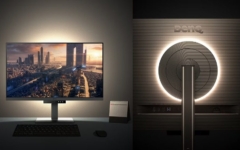


Die technischen Daten sprechen bereits heute für Laser-TV und hängen die Plasma- und LCD Konkurrenz deutlich ab. Momentan entspricht die Farbtiefe moderner Fernseher etwa dem Drittel dessen, was das menschliche Auge in der Lage ist zu sehen, ein Laser-TV-Gerät erreicht dagegen 90 Prozent.
Laserdioden brauchen wesentlich weniger Strom und weisen eine längere Lebensdauer auf, als Standart-Lichtquellen. Der geringe Stromverbrauch sorgt dafür, dass der Aufwand für die Kühlung, wenn diese überhaupt benötigt wird, deutlich niedriger ist. Da die Bildschirm-Oberfläche nicht mehr aus Glas hergestellt wird, sondern aus Kunststoff, werden die Geräte laut Herstellerangaben dadurch zum Beispiel um mehr als die Hälfte leichter sein, als ein identisch großer Plasma Fernseher.

Die Rückprojektionstechnik birgt allerdings auch ein kleiner Nachteil. Laser-TVs werden minimal dicker ausfallen als die Flachbild-Konkurrenz.
Die Zukunft des Fernsehens
Zur Zeit ist Laser-TV „nur“ ein zukunftsträchtiges Modell, welches die bisherigen Maßstäbe nach oben verschieben wird. Laser-TV ist ein weltweites Demonstrationsobjekt auf zahlreichen Messen und Ausstellungen und soll die bisherigen Technologien im Bereich der Heimelektronik ersetzen.
Wenn man den Angaben der Herrsteller Glauben schenkt, dann erwarten den Konsumenten leichtere, langlebige Geräte mit satteren Farben und besserer Auflösung. Aber auch die Energieffizienz ist nicht nur aus ökologischer Sicht bemerkenswert, vor allem bei steigenden Preisen für Strom freut sich auch der Geldbeutel.
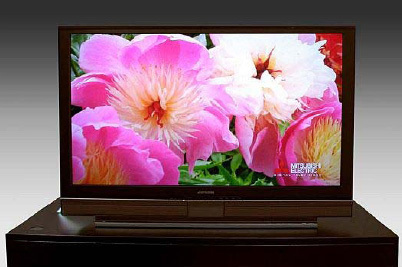
Doch am besten wartet man noch ein Weilchen ab und betrachtet den Markt mit Neugierde und Vorfreude. Konkrete Preise werden für die neuen Laser-TV-Modelle noch nicht genannt, sie dürften sich aber im Bereich der Plasma- und LCD-TVs bewegen. Die Markteinführung ist zum Ende des Jahres geplant.
Vorstellbar ist auch, dass die Laser-Technologie in der Zukunft nicht nur in Laser-TVs vorzufinden zu sein wird, sondern der kleinen Bausweise der Laser Projektoren sei Dank, auch in Mobiltelefonen, Kameras und anderen portablen Geräten. Der sehr kleine Laser-Beamer erlaubt Projektionen auf allen möglichen Flächen.
gefällt es