Einleitung
Paneltechnologien sind aus heutigen Displays nicht mehr wegzudenken. Man findet sie in allen möglichen Bereichen des Lebens, in denen LCD-Monitore (Liquid Cristal Display), also die geliebten Flachbildschirme, zum Einsatz kommen: Handy-Displays, Anzeigen von Digitaluhren, TV-Geräte und PC-Monitore.
Der entscheidende Unterschied zwischen LCDs und anderen bekannten Typen von Flachbildschirmen, wie z.B. Plasma-Displays, ist die Art, wie der Bildschirm mit Licht arbeitet. Dabei unterscheidet man zwischen lichterzeugenden und lichtdurchlassenden Anzeigetechnologien. LCDs gehören im Gegensatz zu Röhren- und Plasmamonitoren zu Letzteren; sie benötigen eine zusätzliche Lichtquelle in Form von hinter dem Display angebrachten Lampen, um ein Bild zu erzeugen.
LCDs basieren auf Flüssigkristallen und deren Eigenschaft beim Anlegen einer elektrischen Spannung ihre Position zu verändern und dadurch Licht zu blockieren oder hindurch zu lassen. Es gibt verschiedene Möglichkeiten, wie ein LCD aufgebaut ist, mit welchen Flüssigkristallen es arbeitet und wie es angesteuert wird.
LCDs basieren auf verschiedenen Paneltypen
Der Kern eines TFT-Monitors wird als Panel bezeichnet; hier entsteht das Bild. Eine vergleichsweise einfache Methode, um ein Bild zu erzeugen, sind TN-Panels. Liegt kein Strom an, lässt die jeweilige Flüssigkristallzelle, die in der Regel einen Subpixel darstellt, einfallendes Licht der Hintergrundbeleuchtung passieren.
Das Licht wird zuvor über einen Filter polarisiert. Dieser arbeitet wie ein Ventil und richtet das Licht vereinfacht gesagt „gerade“ aus. Die in der Grundposition um 90 Grad verdrillten Flüssigkristalle – daher die Bezeichnung Twisted Nematic – drehen das polarisierte Licht nun um 90 Grad, sodass es den zweiten Polarisationsfilter ebenfalls passieren kann: Auf dem Bildschirm erscheint nun ein Bild.



Dass dieses farbig ist, dafür sorgen Farbfilter in der Flüssigkristallzelle, die nur bestimmte Wellenlängen des Lichts hindurch lassen: Rot, Grün oder Blau. Da jeder Pixel auf dem Bildschirm sich aus drei Subpixeln zusammensetzt, können aus den drei Grundfarben RGB alle anderen Farben erzeugt werden.
Wird hingegen eine elektrische Spannung an die Zelle angelegt, richten sich die Flüssigkristalle senkrecht aus. Somit kann das Licht nicht mehr aus dem Bildschirm austreten und wird zu einem großen Teil absorbiert: Das Bild bleibt dann Schwarz.

Da die ersten TN-Displays noch keine optimalen Ergebnisse lieferten und sehr kontrastarm waren, wurde die Technologie rasch weiterentwickelt. Das Problem, dass sich die Flüssigkristalle nie zu 100 Prozent richtig ausrichteten, wenn der Bildschirm angeschaltet wurde, konnte durch das Auftragen eines dünnen Films behoben werden: Die TN+Film genannte Technologie verbesserte den Kontrast reduzierenden Fehlwinkel der Flüssigkristalle.
TN+Film ist heutiger Standard, weshalb allgemein nur von TN-Panels die Rede ist. Vor allem bei Zockern sind TFT-Monitore mit TN-Panel beliebt, denn sie bieten einen extrem schnellen Bildaufbau dank schneller Reaktionszeiten der verwendeten Flüssigkristalle. Zudem sind TN-Bildschirme preiswert und verbrauchen wenig Strom.
Sie sind also auch für den täglichen Gebrauch und für Unternehmen empfehlenswert, wenn man im Internet surft oder mit Word arbeitet. TN-Panels sind heutzutage in der Lage, durch Dithering und Frame Rate Control (Technologien, um bei begrenzter Farbtiefe Mischfarben durch dicht beieinander liegende Punkte unterschiedlicher Färbung zu erzeugen) bis zu 16,7 Millionen Farben anzuzeigen.
In dieser Hinsicht können sie fast mit den Leistungen von VA- und IPS-Panels mithalten, die auch ohne technische Tricks in der Lage sind, 256 Farbabstufungen pro Grundfarbe und somit insgesamt 16,7 Millionen Farben darzustellen (256 x 256 x 256).


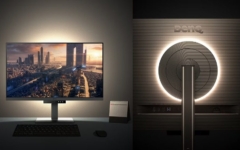

In Plane Switching – erste Wahl für Grafiker

Die IPS-Technologie (In Plane Switching) unterscheidet sich von TN insofern, als dass die Flüssigkristalle parallel angeordnet und nicht um 90 Grad verdrillt sind. Durch das Anlegen von Spannung ordnen sie sich so an, dass Licht austreten kann und der Pixel leuchtet.
Da aufgrund des Aufbaus eines IPS-Panels die Elektrode für das Erzeugen der Spannung und die Drehung der Flüssigkristalle nur auf der Rückseite angebracht werden kann und den Lichtdurchlass schmälert, ist eine stärkere Hintergrundbeleuchtung erforderlich. Deshalb verbrauchen IPS-Displays mehr Strom als TN-Modelle. Auch beim Kontrast müssen einige Abstriche gemacht werden.

Dafür wird der Blickwinkel gegenüber der diesbezüglich instabilen TN-Technologie drastisch erhöht. Auch wenn man von unten oder oben auf einen TFT-Monitor mit IPS-Panel schaut, bleiben die Farben und der Kontrast weitestgehend erhalten, weil die parallel angeordneten Flüssigkristalle immer in der gleichen Position zum Auge liegen.

Die Weiterentwicklung Super-IPS (S-IPS) hat den Kontrast von IPS-Panels verbessert. Auch die Farben kommen besser zur Geltung und mit der schnellen Reaktionszeit dürften Freunde des Computer-Spiels weitestgehend zufrieden sein. Durch S-IPS wurden zudem die Blickwinkel enorm verbessert. Sie können bis zu 178 Grad groß sein.
Diese Verbesserungen wurden erzielt, indem die Pixel nun nicht mehr exakt parallel zueinander angeordnet werden, sondern schräg liegen und jeweils in die entgegengesetzten Richtungen zeigen. Monitore mit einem S-IPS-Panel werden oft von Profis eingesetzt, denn diese Technologie wird überwiegend in besonders hochwertigen LCD-Monitoren verwendet und ist dementsprechend teuer.

Ähnlich wie IPS funktioniert auch die VA-Technologie (Vertical Alignment). Auch hier sind die Flüssigkristalle parallel zueinander angeordnet. Ohne Spannung liegen sie allerdings fast vertikal und nicht horizontal zur Bildfläche. Das polarisierte Licht wird dann so umgeleitet, dass es den zweiten Filter nicht passieren kann und absorbiert.
Werden die Flüssigkristalle mit Spannung versorgt, ordnen sie sich in einem 45-Grad-Winkel zur Bildfläche an und das Licht kann durch den zweiten Polarisationsfilter gelangen. Das Spezielle hierbei ist, dass die einzelne Pixelzelle in mehrere Schichten aufgeteilt wird, was es ermöglicht, dass die Flüssigkeitskristalle beim Anlegen der Spannung in unterschiedliche Richtungen kippen.