Donnerstag, 13. August 2026

KTC M27P6S mit 4K-Dual-Hz und QD-Mini-LED Der zurzeit zum Straßenpreis von unter 400 Euro erhältliche Gaming-Bildschirm KTC M27P6 (PRAD-News) bekommt ein verbessertes Schwestermodell spendiert. Es…

LG UltraGear 25G590B mit bis zu 1100 Hz Vergangenen Freitag ging mit dem LG UltraGear 25G590B (PRAD-News) ein 1100 Hz flinker Gaming-Bildschirm in die deutsche…

Google Pixel 11 mit neuem Tensor G6 Das US-Unternehmen Google hat seine diesjährige Smartphone-Generation Pixel 11 in eine deutsche Vorbestellphase entsendet. Im Inneren werkelt das…
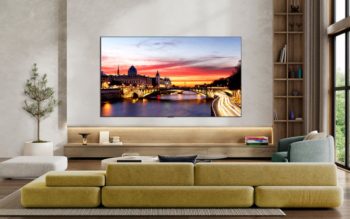
LG OLED83C6ELB mit mindestens 300 Euro Cashback Der seit diesem Jahr verfügbare 83-Zoll-Fernseher LG OLED83C6ELB kann bei Amazon.de zum aktuellen Bestpreis von 3.029 Euro (Anzeige)…
Mittwoch, 12. August 2026

Schenker Element 12 E26 mit Intel Core Ultra Das Leipziger Unternehmen Schenker Technologies hat mit dem Element 16 E26 einen neuen Laptop für Office- und…

ASUS ROG Swift PG32UCWM mit RGB-Tandem-OLED Seit Kurzem ist der ASUS ROG Swift PG32UCWM (PRAD-News) mit Tandem-WOLED-Panel, RGB-Subpixel-Layout und Dual-Hz-Modus in Deutschland verfügbar. 4K-UHD (3840…

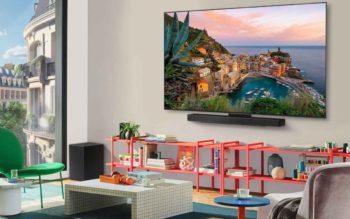
LG OLED48C5ELB mit 4K144 und Dolby Vision Unter den heutigen Amazon.de-Schnäppchen ist beispielsweise der 2025 erschienene 48-Zoll-Fernseher LG OLED48C5ELB zu finden. Das WOLED-Exemplar wechselt zum…
Dienstag, 11. August 2026

BenQ LH655C mit 4000 ANSI-Lumen Von BenQ kommt ein neuer DLP-Laserbeamer für Business-Zwecke, der in Konferenzräumen eingesetzt werden kann. Der LH655C löst mit 1920 x…
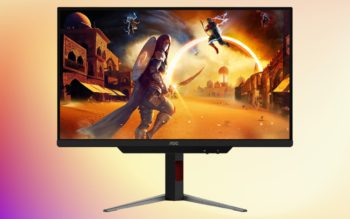
AOC U27G4FD mit brillenloser 3D-Darstellung Der Mitte des Jahres vorgestellte und für Ende 2026 angesetzte Acer Predator XB273K 3D (PRAD-News) bekommt Konkurrenz aus dem Hause…
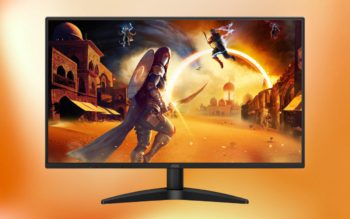
AOC GQ27B36S mit WQHD und 320 Hz Auf seiner chinesischen Website führt der taiwanische Hersteller AOC den neuen Gaming-Monitor GQ27B36S. Das verbaute Fast-IPS-Panel misst 27…
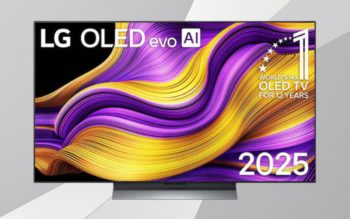
LG OLED48G56LS mit Dolby Vision IQ Mit dem OLED48G56LS findet sich mal wieder eines der letztjährigen OLED-TV-Topmodelle von LG unter den aktuellen Amazon.de-Schnäppchen. Der WOLED-basierte…
Montag, 10. August 2026
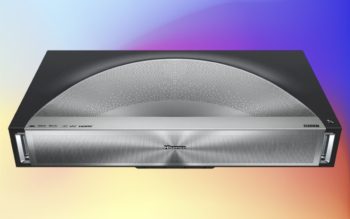
Hisense PX4-PRO mit Ultrakurzdistanz-Objektiv Der Ende 2024 in Deutschland veröffentlichte Heimkino-Laserprojektor Hisense PX3-PRO (PRAD-News) hat einen offiziellen Nachfolger mit Ultrakurzdistanz-Objektiv erhalten. Der neue PX4-PRO geht…
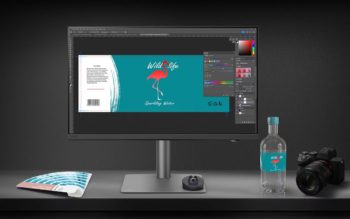
Nanomatter BenQ PD2732U mit 4K-UHD Auf seiner chinesischen Website hat der taiwanische Hersteller BenQ einen neuen Kreativmonitor enthüllt. Der PD2732U ist ein 27 Zoll großes…
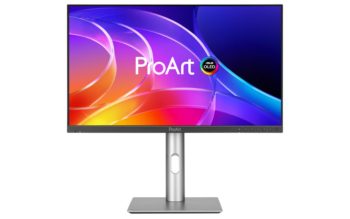
ASUS ProArt PA279CDV mit 4K120, QD-OLED und HDR Der mit Hauptsitz in Taiwan residierende Hersteller ASUS stellte im Rahmen der CES 2026 einen weiteren neuen…
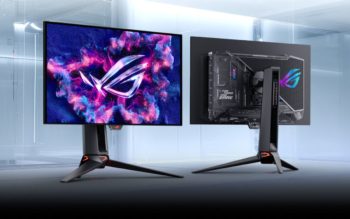
ASUS ROG Swift PG27UCWM mit Tandem-OLED Seit Kurzem ist der ASUS ROG Swift OLED PG27UCWM (PRAD-News) in Deutschland verfügbar, ein 26,5 Zoll großer Tandem-WOLED-Monitor mit…

KTC 25M1 mit Fast TN und 400 Hz KTC hat in diesem Jahr einen neuen E-Sport-Monitor namens 25M1 in den USA veröffentlicht. Es handelt sich…
Samsung GQ65S90F mit 4K144 und QD-OLED Der Versandriese Amazon.de haut den 2025 veröffentlichten 65-Zoll-Fernseher Samsung GQ65S90F zum aktuellen Bestpreis von 1.239 Euro (Anzeige) heraus. Das…
Freitag, 07. August 2026
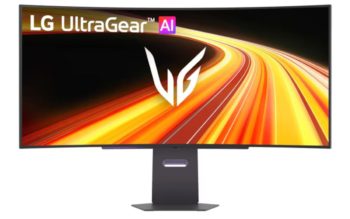
LG UltraGear 45GX90SB mit UWQHD und OLED-MLA+ Der im vergangenen Jahr erschienene LG UltraGear OLED 45GX90SA (PRAD-News) erhält bald einen Nachfolger. Der neue 45GX90SB ist…
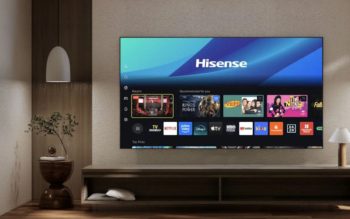
Hisense UR9S mit RGB-Mini-LED Seit diesem Jahr ist die UR9S-Produktreihe von Hisense in Deutschland erhältlich. Es handelt sich um 65 bis 85 Zoll große LCD-Fernseher…

BenQ Mobiuz EX271QMZ mit QD-OLED Der in Taiwan beheimatete Hersteller BenQ hat den neuen Gaming-Monitor Mobiuz EX271QMZ vorgestellt, der dem Feature-Set nach günstig antreten dürfte….

iiyama ProLite XCB4994DQSU-B1 mit DQHD und 120 Hz Das japanische Unternehmen iiyama listet auf seiner deutschen Website den neuen ProLite XCB4994DQSU-B1, einen 49 Zoll großen…
LG eröffnet Produktseite zum UltraGear 25G590B Im Mai dieses Jahres hat LG mit dem UltraGear 25G590B seinen ersten Gaming-Monitor angekündigt, der bis zu 1000 Hz…
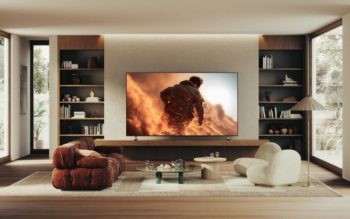
Sony Bravia 7 II als günstigere True-RGB-Option Neben seinem neuen Flaggschiff Bravia 9 II (PRAD-News) hat Sony eine günstigere Variante mit True-RGB-Technologie angekündigt. Der Bravia…
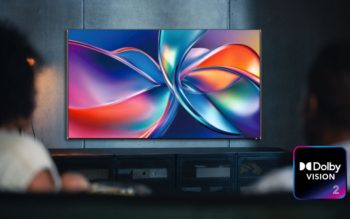
Dolby Vision 2 (Max) ist abwärtskompatibel Der 1965 in London gegründete und mittlerweile mit Hauptsitz in San Francisco residierende Audio-Spezialist Dolby Laboratories nutzt die IFA-Messe…

Dell P4326QEB mit 4K-UHD und 42,5 Zoll Dell hat mit dem P4326QEB einen neuen 42,5-Zoll-Monitor in Deutschland freigegeben. Das IPS-Exemplar soll sich für Business-Tätigkeiten eignen,…
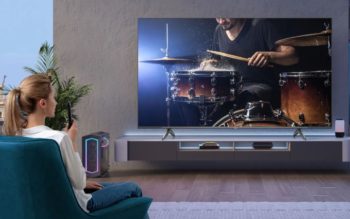
Hisense 65E7NQ PRO mit 4K-QLED und Dolby Vision IQ Bei Amazon.de können Sie sich den 65 Zoll großen LCD-Fernseher Hisense 65E7NQ PRO zum aktuellen Bestpreis…
Donnerstag, 06. August 2026
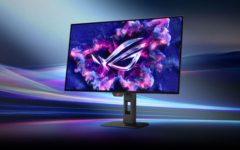
ASUS ROG Strix OLED XG32UQWMS mit 4K-Dual-Hz Für August 2026 plant ASUS die deutsche Marktfreigabe des ROG Strix XG32UQWMS (PRAD-News). Der 1.019,90 Euro (UVP) teure…
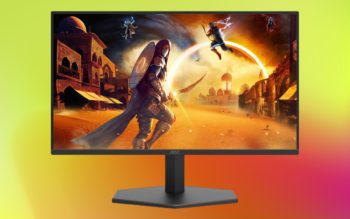
AOC Q25G11SE6 mit WQHD und 360 Hz Auf seiner chinesischen Website führt das taiwanische Unternehmen AOC neuerdings den Gaming-Monitor Q25G11SE6. Es handelt sich um ein…
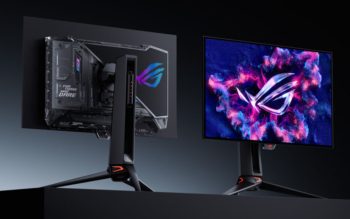
ASUS PG27UCWM mit Tandem-OLED und 4K-Dual-Hz Eine weitere CES-Neuheit aus dem Hause ASUS ist der ROG Swift OLED PG27UCWM, ein Tandem-OLED-basierter Gaming-Monitor mit RGB-Subpixel-Layout, wodurch…
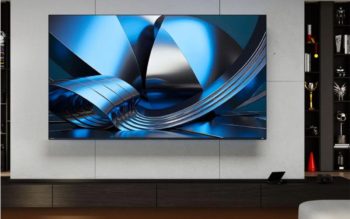
Hisense 85U7DSE mit QD-Mini-LED und Dolby Vision IQ Am heutigen Donnerstag verkauft Amazon.de den 2026 erschienenen 85-Zoll-Fernseher Hisense 85U7DSE zum Knallerpreis von 1.299 Euro (Anzeige)….
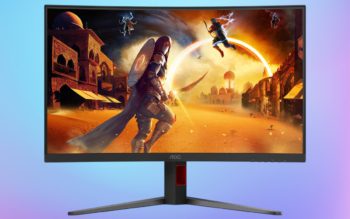
AOC CQ32G4Z mit Triple-Hz-Modus Das in Taiwan beheimatete Unternehmen AOC bringt einen neuen Gaming-Bildschirm mit Triple-Hz-Modus. Der CQ32G4Z löst nativ mit 2560 x 1440 Bildpunkten…
Mittwoch, 05. August 2026

Thermaltake TPM-O49CDQ mit Samsung-OLED Der vornehmlich für CPU-Kühllösungen, Netzteile und Gehäuse bekannte Hersteller Thermaltake aus Taiwan hat dieses Jahr einen neuen OLED-Gaming-Monitor in Deutschland veröffentlicht….

Sylvox Frameless Pro mit 4K und 2000 nits Das 2009 gegründete Unternehmen Sylvox bedient den deutschen Markt mit dem neuen Outdoor-Fernseher Frameless Pro, der in…
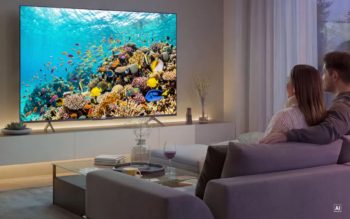
Medion Life MD 865602 mit 4K-QLED und AirPlay Bei Amazon.de gibts den 65 Zoll großen LCD-Fernseher Medion Life MD 865602 zurzeit für nur 479,95 Euro…
Dienstag, 04. August 2026
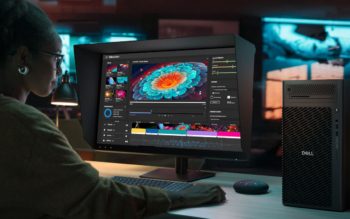
Dell U3226Q mit 4K-OLED und Kolorimeter Seit Februar 2026 ist der Dell UltraSharp U3226Q (PRAD-News) in Deutschland verfügbar. Der 31,5-Zöller setzt auf QD-OLED-Technologie, löst mit…
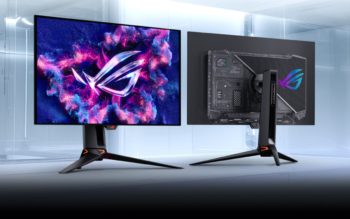
ASUS ROG Swift OLED PG32UCWM mit 4K-Dual-Hz Mit dem ASUS ROG Swift OLED PG32UCWM wurde im Juni dieses Jahres ein moderner Gaming-Monitor enthüllt, der mit…
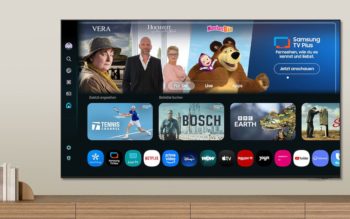
Bis zu 1.300 Euro Cashback auf Samsung-TVs Am 26. August 2026 öffnet die weltgrößte Videospiele-Messe gamescom wieder ihre Kölner Pforten. Zu diesem Anlass hat der…

Samsungs Antwort auf Dolby Vision 2 (Max) Im Rahmen der IFA-Messe im vergangenen September kündigten die Dolby Laboratories ihren erweiterten HDR-Standard Dolby Vision 2 (Max)…
Hisense 65E7DS mit Dolby Vision IQ und HDR10+ Der deutsche Ableger des US-Konzerns Amazon haut am heutigen Dienstag den 2026 erschienenen 65-Zoll-Fernseher Hisense 65E7DS zum…