Mittwoch, 05. August 2026

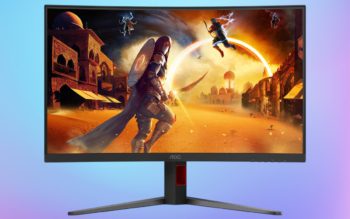
AOC CQ32G4Z mit Triple-Hz-Modus Das in Taiwan beheimatete Unternehmen AOC bringt einen neuen Gaming-Bildschirm mit Triple-Hz-Modus. Der CQ32G4Z löst nativ mit 2560 x 1440 Bildpunkten…

Sylvox Frameless Pro mit 4K und 2000 nits Das 2009 gegründete Unternehmen Sylvox bedient den deutschen Markt mit dem neuen Outdoor-Fernseher Frameless Pro, der in…

Medion Life MD 865602 mit 4K-QLED und AirPlay Bei Amazon.de gibts den 65 Zoll großen LCD-Fernseher Medion Life MD 865602 zurzeit für nur 479,95 Euro…
Dienstag, 04. August 2026
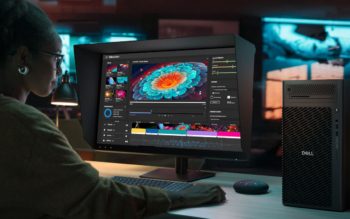
Dell U3226Q mit 4K-OLED und Kolorimeter Seit Februar 2026 ist der Dell UltraSharp U3226Q (PRAD-News) in Deutschland verfügbar. Der 31,5-Zöller setzt auf QD-OLED-Technologie, löst mit…
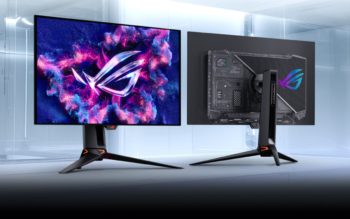
ASUS ROG Swift OLED PG32UCWM mit 4K-Dual-Hz Mit dem ASUS ROG Swift OLED PG32UCWM wurde im Juni dieses Jahres ein moderner Gaming-Monitor enthüllt, der mit…
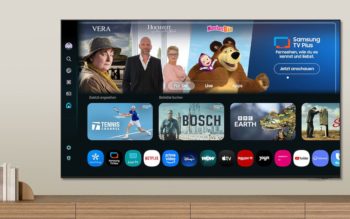
Bis zu 1.300 Euro Cashback auf Samsung-TVs Am 26. August 2026 öffnet die weltgrößte Videospiele-Messe gamescom wieder ihre Kölner Pforten. Zu diesem Anlass hat der…

Samsungs Antwort auf Dolby Vision 2 (Max) Im Rahmen der IFA-Messe im vergangenen September kündigten die Dolby Laboratories ihren erweiterten HDR-Standard Dolby Vision 2 (Max)…
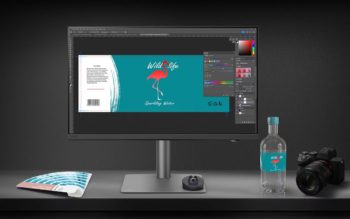
Nanomatter BenQ PD2732U mit 4K-UHD Auf seiner chinesischen Website hat der taiwanische Hersteller BenQ einen neuen Kreativmonitor enthüllt. Der PD2732U ist ein 27 Zoll großes…
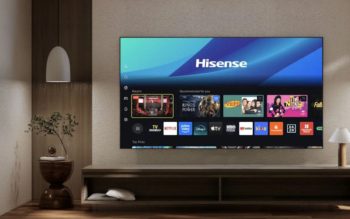
Hisense 65E7DS mit Dolby Vision IQ und HDR10+ Der deutsche Ableger des US-Konzerns Amazon haut am heutigen Dienstag den 2026 erschienenen 65-Zoll-Fernseher Hisense 65E7DS zum…
Montag, 03. August 2026
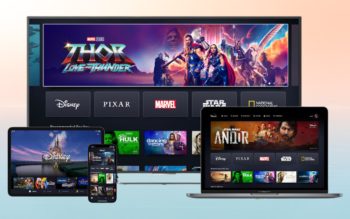
Disney+ Premium derzeit ohne 4K-UHD und HDR Der Streamingdienst Disney+ macht mal wieder Schlagzeilen mit technischen Problemen. Wie die Kollegen von Caschys Blog berichten, sind seit…

Samsung Odyssey G80HS mit 6K-Dual-Hz Seit wenigen Wochen kann mit dem Samsung Odyssey G80HS (PRAD-News) ein 31,5 Zoll großer Fast-IPS-Monitor erworben werden, der mit 6144…

ASUS ROG Swift OLED PG27AQDPR mit QD-OLED Der 2024 erschienene Gaming-Bildschirm ASUS ROG Swift OLED PG27AQDP (PRAD-News) bekommt ein schnelleres Nachfolgemodell, das auf QD-OLED- statt…
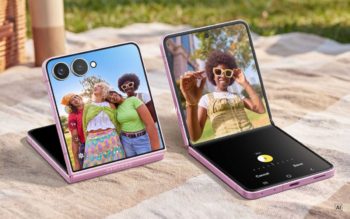
Samsung Galaxy Z Flip8 mit 7 Jahren Android-Support Das südkoreanische Unternehmen Samsung hat eine deutsche Vorbestellphase zum neuen Galaxy Z Flip8 gestartet. Es handelt sich…
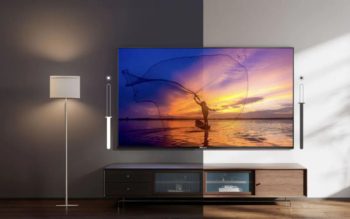
Hisense 98E7Q mit 4K-QLED und Dolby Vision Der Versandriese Amazon.de haut den 2025 veröffentlichten Hisense 98E7Q zum Knallerpreis von 1.229 Euro (Anzeige) heraus. Es handelt…
Freitag, 31. Juli 2026
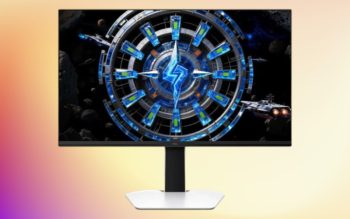
TCL 27C2A mit 4K160, FHD320 und QD-Mini-LED Das chinesische Unternehmen TCL hat einen neuen Gaming-Bildschirm namens 27C2A in Deutschland veröffentlicht. Es handelt sich um ein…
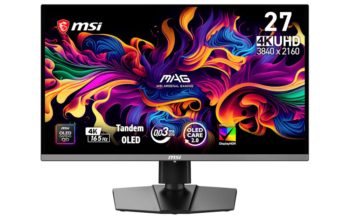
MSI MAG 272UP E16 mit 4K165 und Tandem-OLED Das taiwanische Unternehmen MSI führt auf seiner Website einen neuen OLED-Gaming-Bildschirm namens MAG 272UP E16. Der 26,5-Zöller…

LG UltraGear 32GX870B mit Tandem-WOLED Der seit Ende 2025 in Deutschland verfügbare LG UltraGear OLED 32GX870A (PRAD-News) erhält ein verbessertes Nachfolgemodell. Der neue 32GX870B setzt…

US-Preorder-Phase zum LG 27GM950B gestartet Über das vergangene Osterwochenende hat der südkoreanische Hersteller LG eine offizielle US-Vorbestellphase zum UltraGear 27GM950B gestartet. Der IPS-basierte 27-Zöller kostet…
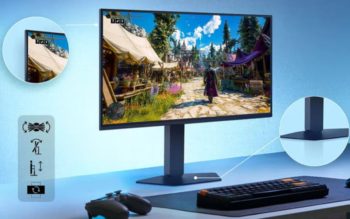
LG UltraGear 27G550B mit 300 Hz Auf der US-Website des südkoreanischen Elektronikriesen LG findet sich ein neuer Gaming-Monitor namens UltraGear 27G550B. Der 27-Zöller setzt auf…

LG eröffnet Produktseite zum UltraGear 25G590B Im Mai dieses Jahres hat LG mit dem UltraGear 25G590B seinen ersten Gaming-Monitor angekündigt, der bis zu 1000 Hz…
LG 75QNED82A6B mit 4K-HDR und AirPlay 2 Der seit vergangenem Jahr in Deutschland verfügbare 75-Zoll-Fernseher LG 75QNED82A6B ist bei Amazon.de nur noch heute auf 799…
Donnerstag, 30. Juli 2026
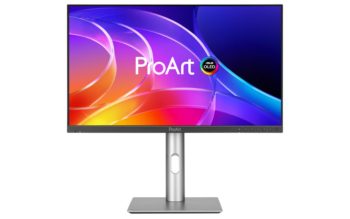
ASUS ProArt PA279CDV mit 4K120, QD-OLED und HDR Der mit Hauptsitz in Taiwan residierende Hersteller ASUS stellte im Rahmen der CES 2026 einen weiteren neuen…
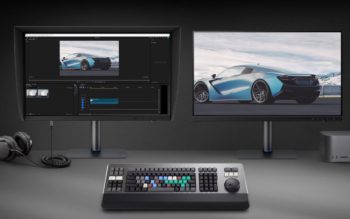
BenQ PV3250U mit 4K120 und hohem Kontrast Bereits zur Computex im Juni 2026 teaserte BenQ mit dem PV3250U einen neuen Kreativmonitor an. Nun verrät eine…

TCL 98Q7D Pro mit SQD-Mini-LED und Google TV Bei Amazon.de können Sie sich den 2026 veröffentlichten 98-Zoll-Fernseher TCL 98Q7D Pro zum aktuellen Bestpreis von 2.499…
Mittwoch, 29. Juli 2026
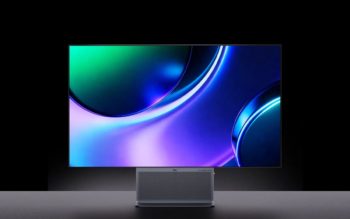
TCL 32X3B mit Tandem-WOLED und 4K-Dual-Hz Der chinesische Elektronikriese TCL hat in seiner Heimat einen neuen Gaming-Monitor namens 32X3B veröffentlicht, offenbar ein Nachfolgemodell des 32X3A…

TCL 65C8L mit SQD-Mini-LED und Dolby Vision IQ Beim Versandriesen Amazon.de können Sie sich den 2026 veröffentlichten 65-Zoll-Fernseher TCL 65C8L mal wieder zum Bestpreis von…
Dienstag, 28. Juli 2026

PPDS Signage 2000 mit 4K-UHD und bis zu 65 Zoll Von Philips Professional Display Solutions (kurz: PPDS) kommen neue großformatige Bildschirme für Digital-Signage-Zwecke, wobei eine…
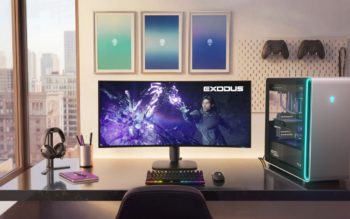
AW3926QW mit Tandem-OLED und Dual-Hz Im vergangenen Monat wurde mit dem Alienware AW3926QW (PRAD-News) ein neuer Gaming-Monitor mit ultrabreitem Format vorgestellt. In asiatischen Regionen ist…
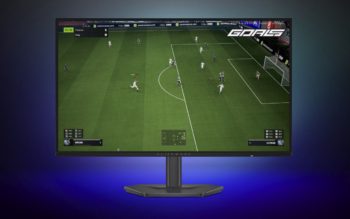
Alienware AW2726DL mit WQHD und 280 Hz Die Dell-Tochter Alienware hat einen neuen Gaming-Bildschirm namens AW2726DL in Deutschland veröffentlicht. Es handelt sich um ein 27…

AOC K27U3FD mit 5K-16:9 und Dual-Hz Der taiwanische Hersteller AOC führt auf seiner chinesischen Website einen neuen 27-Zoll-Monitor für Arbeits- und Entertainment-Zwecke. Der K27U3FD hat…
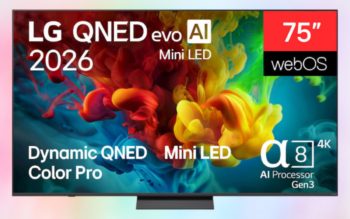
LG 75QNED83B6 mit 4K144, Mini-LED und AirPlay Beim deutschen Ableger des US-Konzerns Amazon können Sie am heutigen Dienstag den 2026 erschienenen LG 75QNED83B6 zum aktuellen…
Montag, 27. Juli 2026

Der mit Hauptsitz in China ansässige Elektronikkonzern Hisense plant neue LCD-Fernseher mit RGB-Mini-LED-Backlight und 100 Prozent Rec.-2020-Abdeckung für den deutschen Markt. Die Modelle UR8S und…
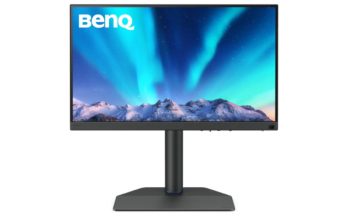
BenQ PhotoVue SW272QN mit Pantone-Validierung Der 2023 in Deutschland veröffentlichte Kreativmonitor PhotoVue SW272Q (PRAD-News) erhält offenbar ein Nachfolgemodell. Der neue SW272QN ist folgerichtig großteils identisch…
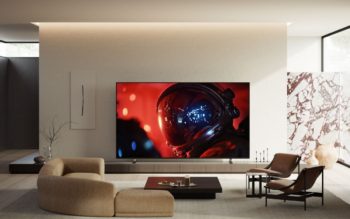
Sony Bravia 9 II mit True RGB Seit wenigen Wochen ist mit dem Sony Bravia 9 II eines der ersten Fernsehgeräte mit True-RGB-Technologie auf dem…

TCL 25Q6A Pro mit 360 Hz und Mini-LED In seiner Heimat veröffentlicht der chinesische Elektronikkonzern TCL in Kürze einen neuen Gaming-Bildschirm namens 25Q6A Pro. Der…
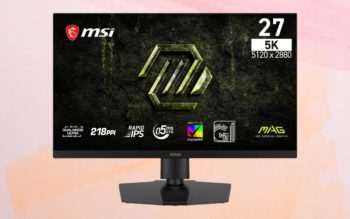
MSI MAG 271KPD7 mit 5K-16:9 und Rapid IPS Im Rahmen der CES 2026 und auch der Computex 2026 präsentierte MSI einen neuen Gaming-Bildschirm namens MAG…
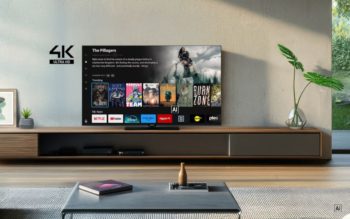
Panasonic TB-65W61A mit Dolby Vision Bei Amazon.de gibts den 2025 veröffentlichten Panasonic TB-65W61AEZ zum Knallerpreis von 426 Euro (Anzeige). Der 65 Zoll große LCD-Fernseher tritt…
Freitag, 24. Juli 2026
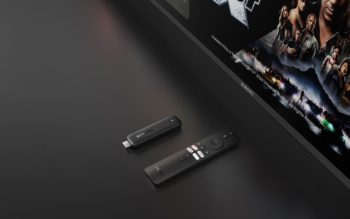
Nachdem der Xiaomi TV Stick 4K im vergangenen Jahr eine Neuauflage erhielt, die im deutschen Onlinehandel ab rund 50 Euro verfügbar ist, kündigte der chinesische…

ViewSonic VG2719U-4K mit 4K-UHD Die deutsche Niederlassung des US-Unternehmens ViewSonic hat den neuen Business-Monitor VG2719U-4K angekündigt. Der 27-Zöller besitzt ein IPS-Panel mit 4K-UHD-Auflösung (3840 x…